
Overview
Understanding Lumbar Bone Stress Injuries
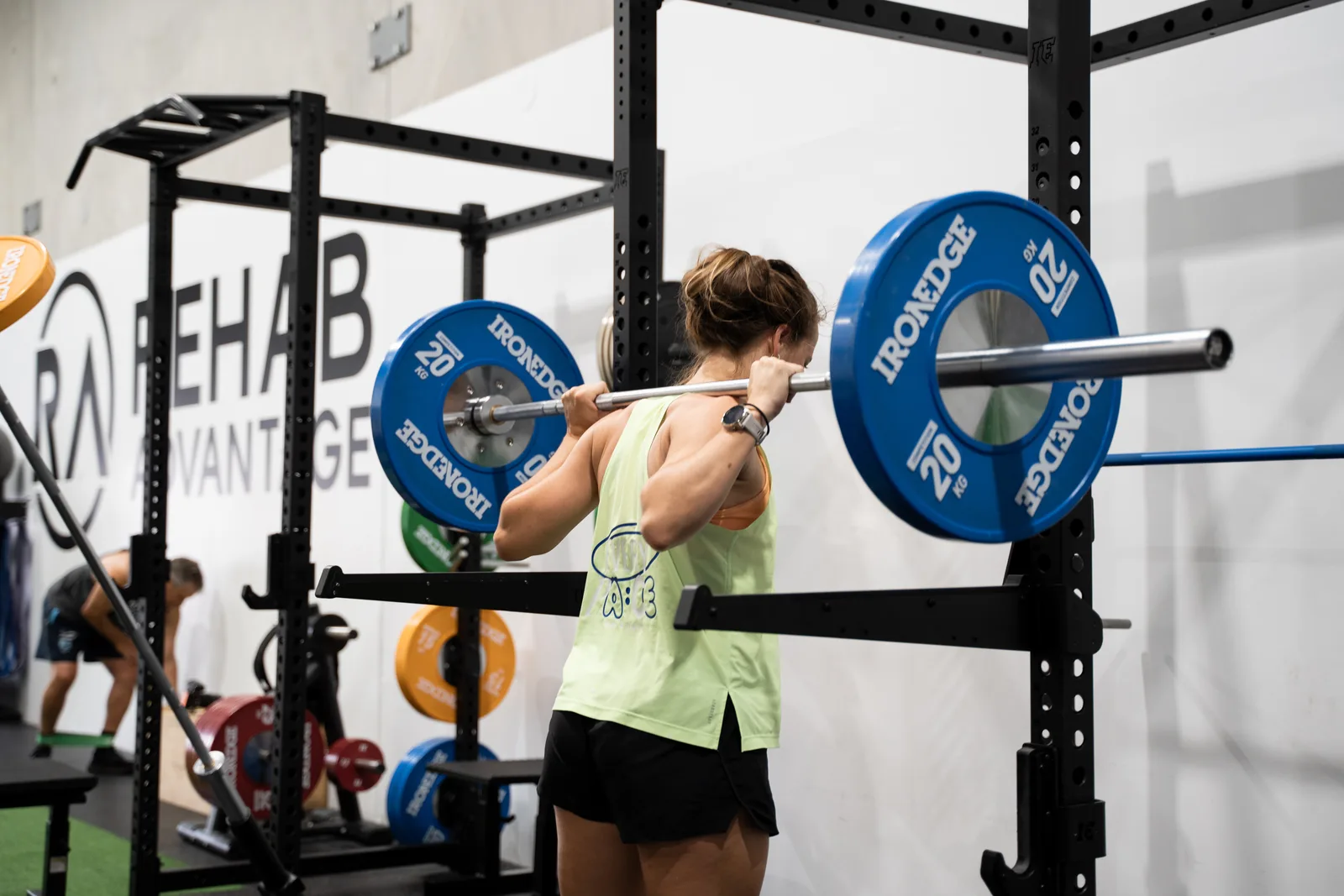
Lumbar bone stress injuries develop when repeated loading exceeds the lower back bone's capacity to adapt. They can involve the pars interarticularis, a small bony region of a vertebra; a stress fracture here is often called spondylolysis. They are particularly relevant in young athletes participating in extension and rotation sports such as cricket and gymnastics.
Not all lower back pain is a bone stress injury. At our Castle Hill clinic, assessment helps identify whether medical review or imaging is appropriate and establishes a rehabilitation plan alongside your treating team. This guide focuses on bone stress rather than all causes of back pain.
Types
Lumbar stress reactions and pars stress fractures
Bone stress reaction
An earlier bone stress presentation without an established fracture line. A clinician considers symptoms, training history and imaging where indicated to guide management.
Pars stress fracture (spondylolysis)
A stress fracture in part of a vertebra. The stage and site of the injury, whether one or both sides are involved, and specialist advice influence the rehabilitation plan.
Common presentations
- Localised lower back pain during or after sport
- Pain aggravated by repeated arching or rotation
- Symptoms associated with an increase in training load
- Recurring back pain in a young athlete
Symptoms alone can't confirm a diagnosis. If you have a new injury, have it assessed by a health professional.
Rehab focus
Managing load and rebuilding back capacity
- 01
Acute Repair
Arrange assessment, reduce aggravating sport loads and follow medical restrictions to protect the bone stress injury.
- 02
Reloading
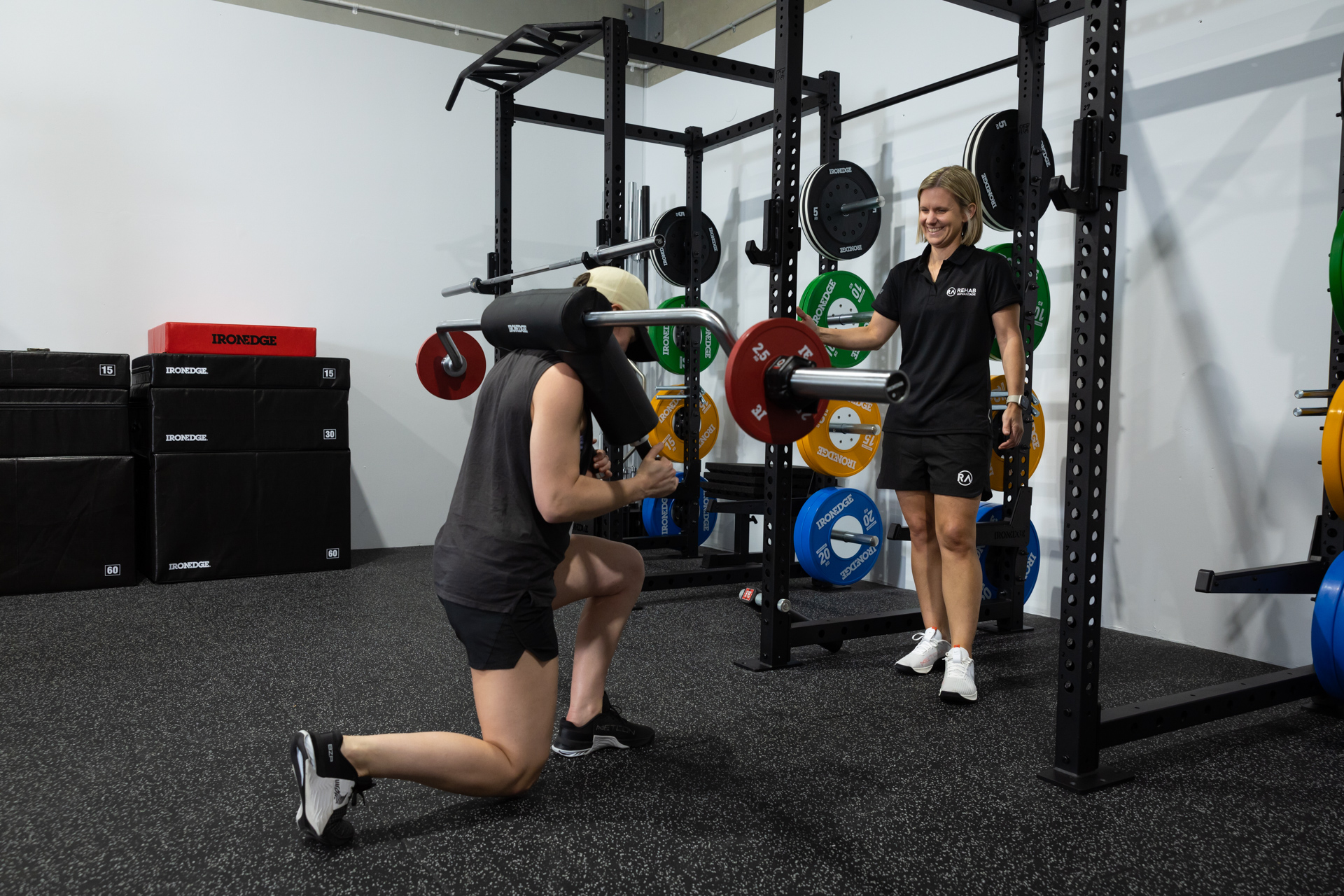
Introduce suitable trunk, hip and lower-limb exercises and conditioning, respecting symptoms and the treating team's guidance.
- 03
Rebuilding
Progress strength and movement capacity, preparing for training through running and sport-specific extension and rotation when clinically appropriate.
- 04
Return to Training
Make a graded return to training from control to chaos: progress controlled sport tasks into less predictable, competition-like training where relevant, with coaches and the treating team monitoring load response.
- 05
Return to Sport
Progress from tolerated training to competition under clinical guidance, with medical clearance where required; performance testing cannot confirm bone healing.
- 06
Prevention & Resilience
Maintain strength and conditioning and manage training volume, intensity and recovery, responding early to recurring back pain.
These are the six phases of our rehab framework, adapted to your injury. Phases overlap and are progressed by criteria, not fixed dates. See how our rehab programs are structured.
Objective testing
Preparing for repeated extension and rotation in sport
Return-to-sport assessment considers strength, movement and the response to repeated training loads. Performance testing is introduced only when clinically appropriate; it cannot confirm bone healing or replace medical clearance where required.
- Trunk and hip strength and control
- Tolerance of running and sport-specific movement
- Response to graded extension and rotation loads
- Ability to complete progressive training without symptom recurrence
Recovery expectations
Lumbar bone stress recovery is individual
Return to sport after lumbar bone stress injury is often measured in months; around 3-9 months may be relevant for some athletes, while others need a shorter or longer pathway. Injury stage, site, age, symptom duration and sport demands all matter. Progression follows clinical review and load tolerance, with medical guidance where needed, rather than a fixed rest period or a promise of bone healing.
Typical range: Individual; sport return may take 3-9 months or longer